
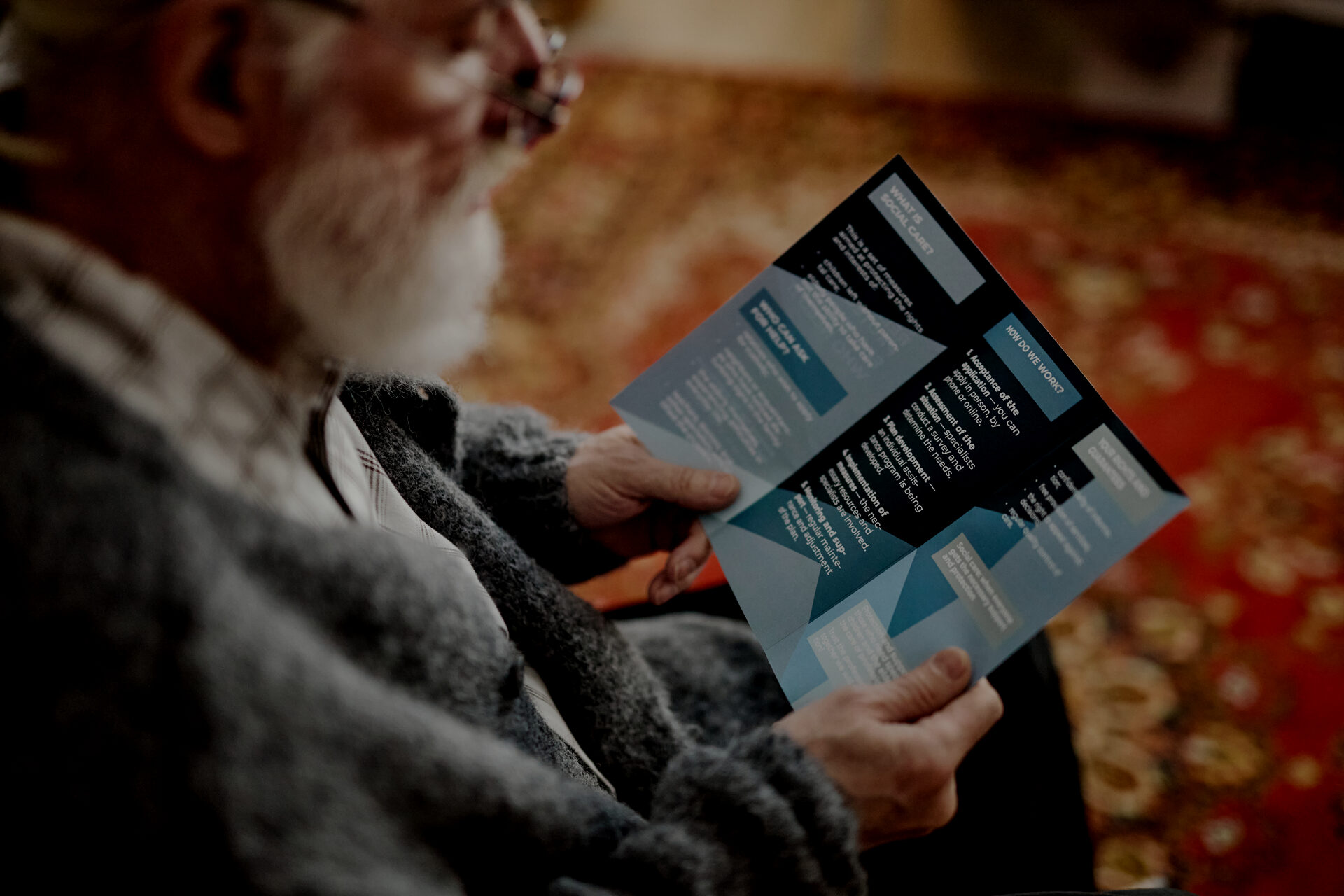
How Our Brochure Design Works
A step-by-step look at the setup, the moving parts, and what you receive when we build your brochure design.
The Technical Details
Brochure design encompasses multi-panel layout architecture optimizing information hierarchy and visual flow across folding configurations including tri-fold (8.5" x 11" creating six 3.67" panels), bi-fold (8.5" x 11" creating four 5.5" x 8.5" panels), z-fold (8.5" x 11" with accordion panels), gate-fold (11" x 8.5" with center-opening panels), and custom dimensions with precise panel measurements accounting for creep adjustment (page drift in saddle-stitch binding requiring 0.0625" per 8 pages) and folding tolerances (±0.0625" standard). Professional execution involves grid system development (12-column for flexibility, 16-column for complex layouts) with modular content blocks, baseline grid alignment (typically 12pt leading increments) ensuring cross-panel typography consistency, and fold-line awareness preventing text/image bisection at critical folds. Technical specifications include bleed requirements (0.125" standard, 0.25" for perfect-bound edge), safe zones (0.375" minimum from trim, 0.5" from folds), score line indicators with grain direction notation (parallel to fold for clean creasing), and crossover image alignment accounting for gripper margins (0.25" non-printable area on press sheet leading edge). Color management requires CMYK separation with TAC limits (240% coated stock, 280% uncoated), rich black formulation avoiding registration issues, and spot color specifications (Pantone PMS for brand consistency). Print production optimization involves imposition planning (work-and-turn or work-and-tumble configurations), signature calculation for multi-page booklets, binding method selection (saddle-stitch for 4-16 pages, perfect binding for 28+ pages, spiral/wire-o for lay-flat requirements), and paper weight specifications (80-100 lb text for folding, 100 lb cover for durability). File preparation requires PDF/X-1a or PDF/X-4 standards with embedded fonts, 300 DPI image resolution at final size, CMYK or spot color definitions, and proper overprint/knockout settings.
Ready to Start?
Schedule a free consultation about your brochure design project.
Schedule Free Consultation